
Time to read: 5 min
Why Did My Gel Polish Chip So Fast? Common Causes & Fixes
Gel polish chips prematurely when surface oils or mineral deposits prevent complete adhesion, or when uncured layers degrade beneath the surface.
In Vienna, hard tap water minerals combined with aggressive mechanical stress from typing or swimming frequently break the gel bond.
Professional prep using dehydrating primers, combined with daily cuticle oil and protective gloves, ensures three to four weeks of wear without peeling.
Key Takeaways
- Vienna tap water minerals leave an invisible film on natural nails that compromises gel bond strength.
- Natural oils, leftover cuticle skin, and missing dehydrators are the leading causes of early peeling.
- Undercured gel layers beneath a hardened topcoat cause silent lifting and sudden peeling within days.
- Wearing gloves during household chores and applying daily cuticle oil prevents edge lifting and brittle gel cracking.
Gel Polish Chipping? Here's Why — And How to Fix It
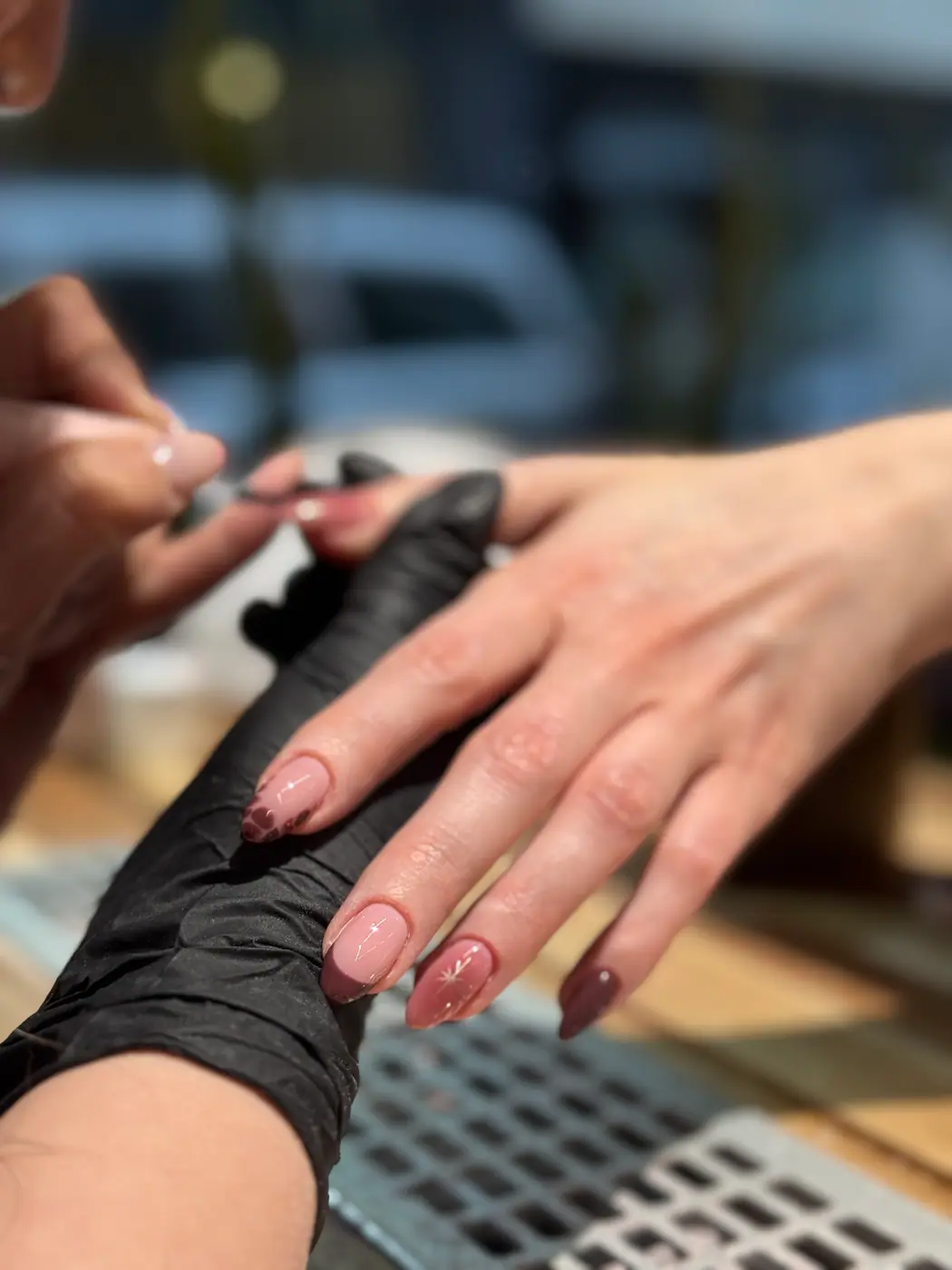
When gel polish peels or lifts within three to five days of application, the underlying issue is almost always a breakdown in adhesion during the preparation phase. Natural nail plates secrete lipids and absorb moisture, both of which act as barrier layers between the keratin and the gel polymer network. If a technician skips targeted dehydrators or acidic primers suited to oily nail beds, the chemical link remains surface-level and vulnerable.
Technique during polish application plays an equally critical role. Capping the free edge—sweeping base coat, colour, and topcoat across the edge of the tip—seals the natural nail inside a protective envelope. Without capped edges, daily impacts against keyboards or phone screens break the delicate seal, allowing air and moisture to force the gel away from the tip.
How Vienna's Water and Daily Life Affect Gel Durability

Local environmental factors in Vienna contribute heavily to unexpected manicure failure. Vienna tap water is rich in minerals such as calcium and magnesium, which leave micro-residues on raw nails if hands are washed right before preparation without proper surface cleansing. Furthermore, soaking nails in water causes the natural nail plate to expand; as it shrinks back while drying post-application, the rigid gel layer buckles.
Summer activities like swimming at the Donauinsel expose nails to prolonged immersion in water. Water swelling combined with thermal shock weakens gel flexible bonds. Meanwhile, winter heating dries out cuticles, turning natural nails brittle and prone to flexing away from firm gel overlays.
Want us to come to you?
We come to your home, hotel, hospital or care home - with the tools, the lamp and the sterile instruments.
Ask for a home visitPrep Mistakes and Equipment Issues in Gel Application

Proper preparation requires removing microscopic dead tissue around the eponychium and proximal nail fold. Leaving residual cuticle skin trapped beneath gel guarantees pocket lifting within days. Technicians must thoroughly cleanse the surface with isopropyl alcohol after buffing to strip all dust and grease before applying a quality base coat.
Curing equipment and timing also directly dictate wear time. Gel requires precise UV/LED wavelengths and full curing cycles to complete polymerization. Rushing clients out of the chair or using aged lamps with degraded bulb output leaves lower gel layers soft, resulting in premature peeling. Checking a studio's safety standards and product quality ensures you receive durable treatments, such as those listed on our /price-list or available via mobile appointments through SONAILpro.
How to Protect Your Gel Manicure at Home

Maintaining high gel retention requires basic aftercare habits once you leave the salon. Natural nails need flexibility to absorb daily impacts; applying cuticle oil daily hydrates both the surrounding skin and the keratin plate, preventing nails from curling under the rigid gel structure.
Protecting hands during routine tasks prevents physical lifting. Hot water, strong cleaning chemicals, and harsh soaps strip natural oils and soften gel coatings. Wearing rubber gloves during household chores and avoiding using fingernails as tools to open cans or scrape surfaces keep manicures pristine.
When to Book a Professional Touch-Up or Fresh Set

If a single nail chips while the rest remain intact, visit a technician promptly for a localized repair rather than picking or peeling the polish. Peeling damaged gel removes healthy layers of keratin, leaving the underlying nail bed thin, sensitive, and unable to hold future manicures properly.
For clients experiencing persistent retention issues despite good home care, switching to structured builder gels like BIAB provides stronger support for flexible natural nails. You can review service options on our /booking page to select specialized treatments tailored to your nail structure.
The Bottom Line on Long-Lasting Gel
Preventing premature gel chipping comes down to meticulous surface preparation, high-performance curing technology, and steady daily protection. By choosing certified technicians who understand local nail conditions and maintaining your manicure with daily oil and protective gloves, you can comfortably enjoy weeks of flawless, high-shine wear.
Frequently Asked Questions About Gel Chipping
Gel polish peeling off completely usually points to oil or moisture trapped under the base coat, unremoved cuticle tissue on the nail plate, or an uncured gel layer. When surface prep fails to dehydrate the nail completely, the polish cannot anchor into the keratin layers, causing it to lift as a single sheet.
Book an appointment
Live availability at the studio in 1070 Vienna - see the calendar and pick your slot.
Book an appointmentOr would you rather stay home?
Tell us where and when and we will call you back to confirm. No obligation.
How to find us
The studio is on Burggasse in the 7th district, a three-minute walk from the U6 stop Burggasse-Stadthalle and right on tram line 49.
SONAIL - Burggasse 100/G21070 Wien, Österreich- Opening hours
- Mon–Fri 8am–8pm, Sat 10am–5pm
- Phone
- +43 660 4002003
- Public transport
- U6 Burggasse-Stadthalle, tram 49
- Prefer to stay home?
- We travel to you via sonailpro.at.

Where would you like to go next?
SONAIL has two sides: we come to your home, office or hotel - and we train the next generation of nail designers.
SONAILpro
Mobile nail care across Vienna. We bring the tools, the lamp and the sterile instruments - you need a table and a socket.
Go to SONAILpro.atNail2Learn
The training behind the studio: hands-on with real models, with an online component and a certificate studios recognise.
Go to Nail2Learn.at

