
Time to read: 6 min
Can You Catch Nail Fungus at a Salon? How Professional Hygiene Protects Your Nails
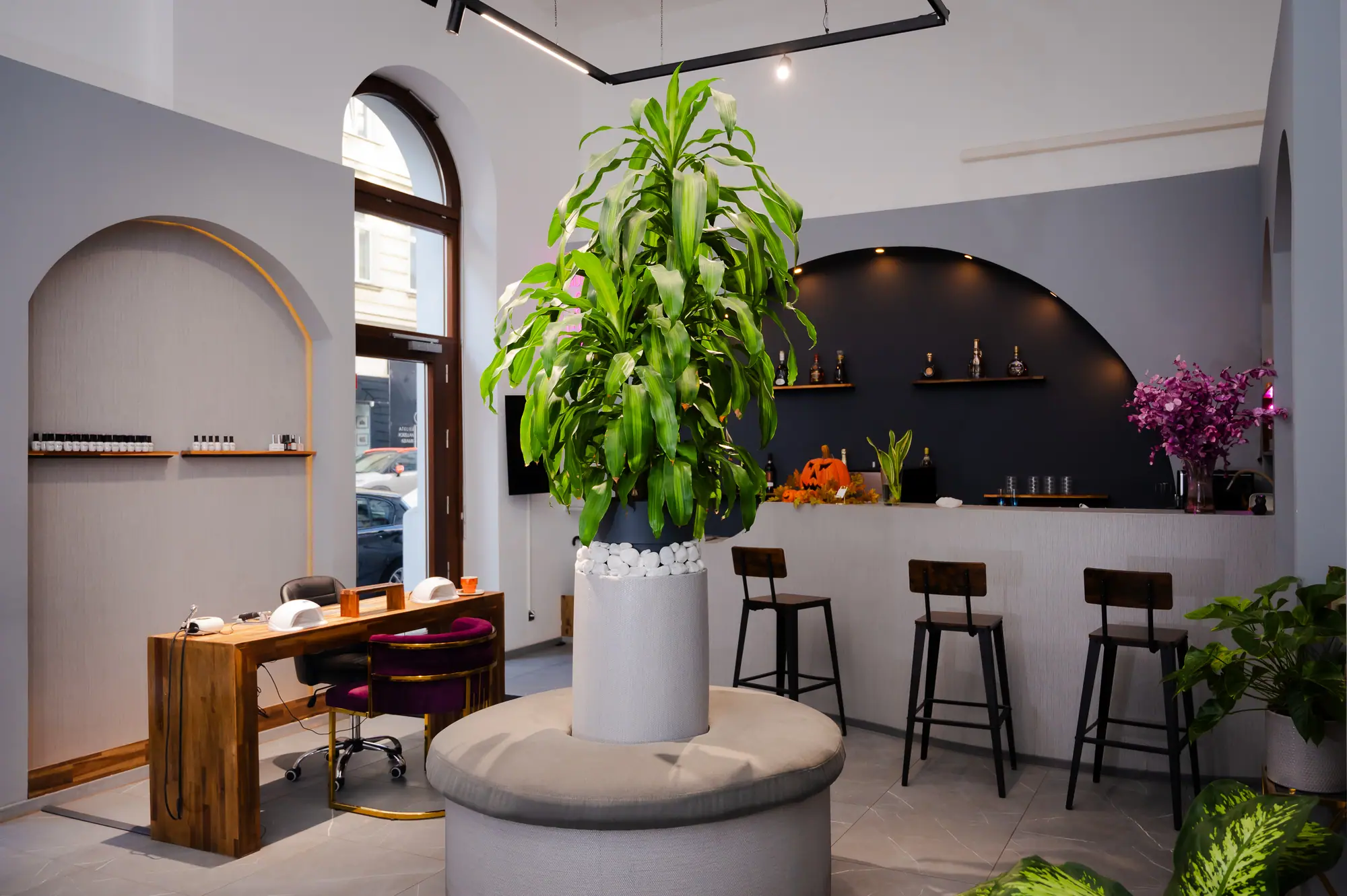
Nail fungus and bacterial infections cannot thrive or spread in a studio that follows strict medical-grade hygiene protocols. Infections occur only when unsterilised tools, shared nail files, or dirty foot baths transfer pathogens between clients.
At SONAIL, every service begins with a visual health assessment, and all equipment undergoes full cleaning, disinfection, and sterilisation to eliminate contamination risks completely.
Key Hygiene Protocols at a Glance
- Visual inspections before every treatment ensure infected nails are never covered or worked on.
- Metal tools are cleaned, disinfected, and autoclaved after every single appointment.
- Nail files and buffers are strictly single-use and disposed of after each client.
- Moisture trapped beneath lifted enhancement gel can cause bacterial growth if refills are neglected.
- Gentle cuticle care protects the natural proximal nail fold without cutting living tissue.
How Do Fungal and Bacterial Infections Spread at a Salon?
Fungal spores, known as onychomycosis, along with bacterial strains like Pseudomonas, flourish in dark, moist environments. In a nail studio setting, contamination happens almost exclusively through direct contact with unsterilised tools or unwashed hands. If a technician uses a metal cuticle pusher on an infected nail and then uses that same dirty tool on another client, micro-pathogens are easily transferred.
Reusable porous items present an even higher risk. Emery boards, foam buffers, and sanding bands absorb skin oils, moisture, and fine dust particles. Because porous materials cannot be autoclaved or fully saturated with liquid disinfectant without degrading, sharing them between clients carries a high risk of spreading athlete's foot or nail fungus.
Cross-contamination can also occur through living tissue damage. When a technician aggressively cuts or trims living cuticle tissue, it breaks the skin barrier. This allows surface bacteria or lingering fungal spores to enter the nail bed directly, leading to painful inflammation or fungal colonization.
Visual Screening: Why Healthy Nails Come Before Enhancement
Before any manicure or pedicure begins, a technician must carefully inspect the natural nail plates and surrounding skin. Healthy nail tissue is uniform, firmly attached, and free of unexplained discolouration or chalky debris beneath the free edge.
If a client presents signs of nail fungus—such as yellowing, whitening, crumbling edges, or noticeable thickening—a professional studio will not apply gel, BIAB, or acrylic enhancements over the area. Covering an active infection with sealed gel creates an airtight seal that traps warmth and moisture, causing the condition to worsen significantly.
When symptoms of onychomycosis or skin infection are detected during an inspection, our protocol is to pause the appointment, explain the visual findings clearly, and refer the client to a medical doctor or podiatrist for proper diagnosis and treatment. Once the nail has fully healed, cosmetic services can safely resume. You can check available appointments directly on our booking page.
Want us to come to you?
We come to your home, hotel, hospital or care home - with the tools, the lamp and the sterile instruments.
Ask for a home visit
Sterilisation and Single-Use Protocols at the Workstation
Eliminating infection risk requires a clear distinction between reusable metal instruments and disposable items. Metal implements—such as cuticle nippers, pushers, and nail clippers—undergo a multi-step decontamination process after every use. They are scrubbed clean of debris, immersed in hospital-grade disinfectant solution, and processed through a steriliser to kill all bacteria, viruses, and fungal spores.
Reusable metal tools are stored in sealed pouches until opened directly in front of the client at the start of the service. Meanwhile, all non-metal abrasive tools, including wooden nail files, buffing blocks, and toe separators, are strictly single-use. They are assigned to one individual for their session and discarded immediately afterward.
Cleanliness extends beyond the tools to the workstation environment. Between appointments, technicians thoroughly wash and disinfect their hands, wipe down desk surfaces and UV lamps with surface disinfectants, and keep treatment rooms ventilated to ensure fresh air circulation throughout the day.
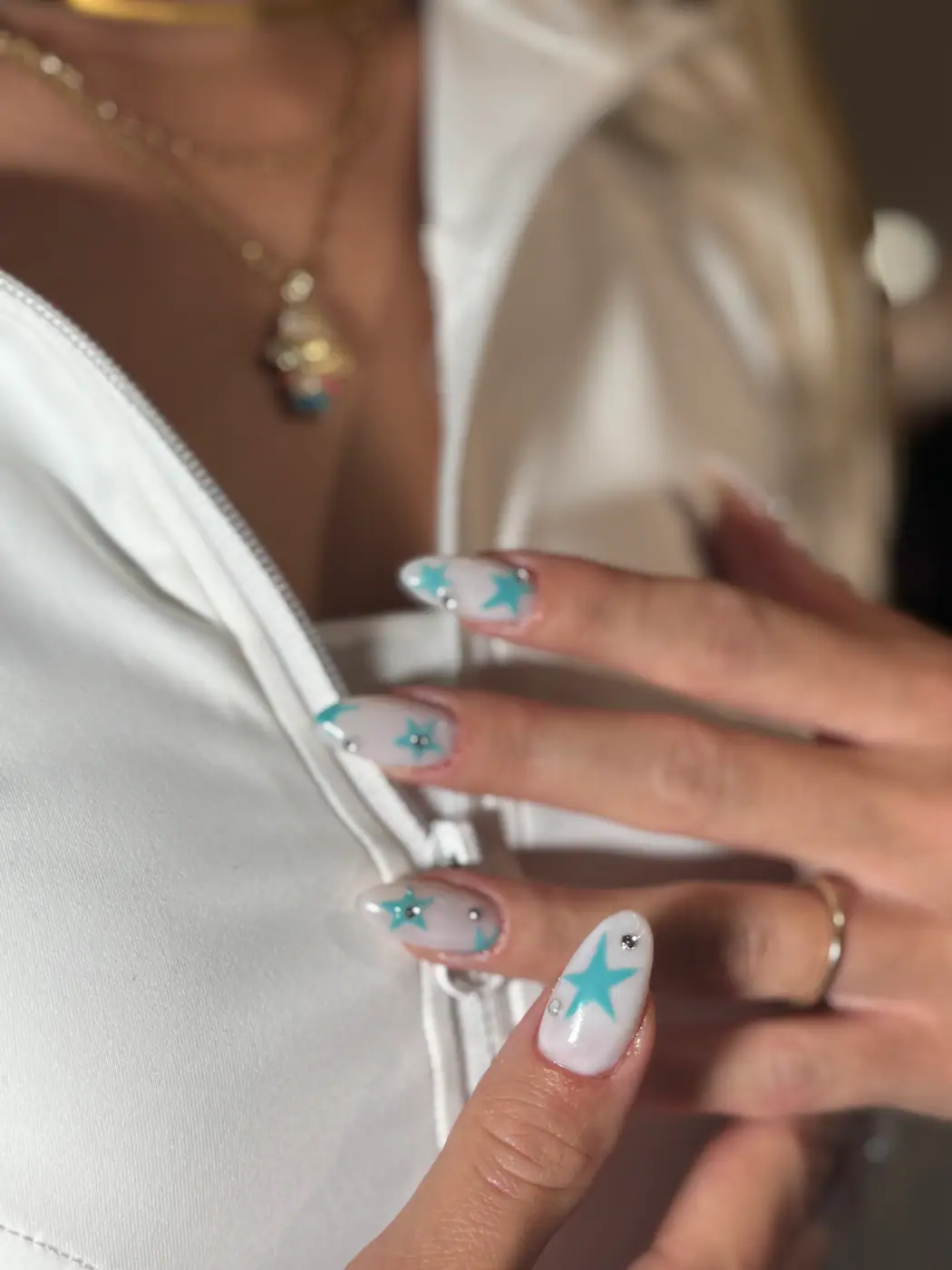
Pedicure Safety: Keeping Foot Baths and Basins Sanitised
Pedicures require heightened hygiene standards because feet are naturally exposed to enclosed shoes, sweat, and fungal pathogens like athlete's foot. Foot baths and basins can harbor bacteria if not constructed and sanitized properly between clients.
To maintain complete safety during pedicure treatments, foot basins are fully scrubbed, washed, and disinfected with specialized fungicidal and bactericidal cleansers between every client. Every surface that comes into contact with skin or water is rendered hygienic before the next person sits down.
Clients receiving mobile services at home or in hotels through SONAILpro experience the exact same rigorous hygiene standards. Mobile technicians carry individual sterilised tool packs, disposable files, and dedicated sanitation supplies to maintain salon-level cleanliness in any setting.
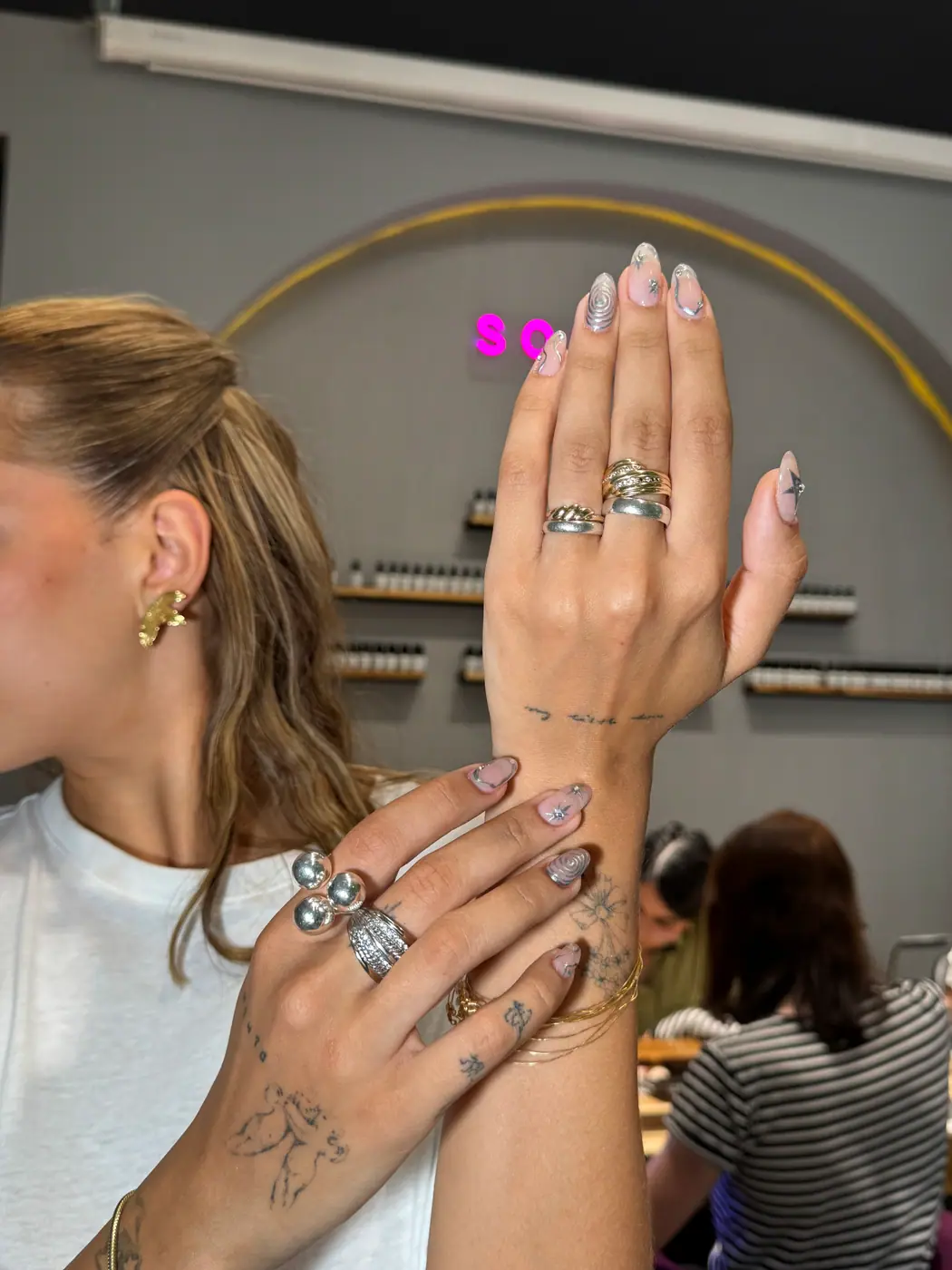
Can Gel or BIAB Cause Nail Fungus?
A common misconception is that wearing gel, BIAB, or acrylic directly generates nail fungus. In reality, modern gel products applied over a dry, healthy nail plate form a safe, protective seal that does not inherently cause fungal growth.
The actual danger arises when an enhancement begins to lift away from the natural nail. Physical trauma, improper nail prep, or wearing enhancements past their recommended maintenance timeline can break the bond. When product lifts, daily washing or hand sweating allows water to seep into the tiny pocket between the gel and the natural nail.
Trapped moisture combined with body warmth creates an ideal breeding ground for bacteria, often leaving a green stain on the nail plate. To prevent trapped moisture and bacterial accumulation, clients must keep up with regular refill schedules every three to four weeks and have any lifted product repaired promptly by a professional.
Prioritising Nail Health Over Quick Fixes
Fungal infections are entirely preventable when a nail studio treats hygiene as a non-negotiable standard rather than a quick afterthought. By combining thorough pre-treatment screening, single-use abrasives, complete tool sterilisation, and educated gel maintenance, you can enjoy beautiful manicures and pedicures with absolute peace of mind.
Frequently Asked Questions About Salon Hygiene & Nail Health
Look for metal tools sealed in sterile pouches that are opened right in front of you. The workstation should be clean, files should be fresh and unused, and the technician should disinfect their hands and your hands or feet before starting any work.
Book an appointment
Live availability at the studio in 1070 Vienna - see the calendar and pick your slot.
Book an appointmentOr would you rather stay home?
Tell us where and when and we will call you back to confirm. No obligation.
How to find us
The studio is on Burggasse in the 7th district, a three-minute walk from the U6 stop Burggasse-Stadthalle and right on tram line 49.
SONAIL - Burggasse 100/G21070 Wien, Österreich- Opening hours
- Mon–Fri 8am–8pm, Sat 10am–5pm
- Phone
- +43 660 4002003
- Public transport
- U6 Burggasse-Stadthalle, tram 49
- Prefer to stay home?
- We travel to you via sonailpro.at.

Where would you like to go next?
SONAIL has two sides: we come to your home, office or hotel - and we train the next generation of nail designers.
SONAILpro
Mobile nail care across Vienna. We bring the tools, the lamp and the sterile instruments - you need a table and a socket.
Go to SONAILpro.atNail2Learn
The training behind the studio: hands-on with real models, with an online component and a certificate studios recognise.
Go to Nail2Learn.at

